

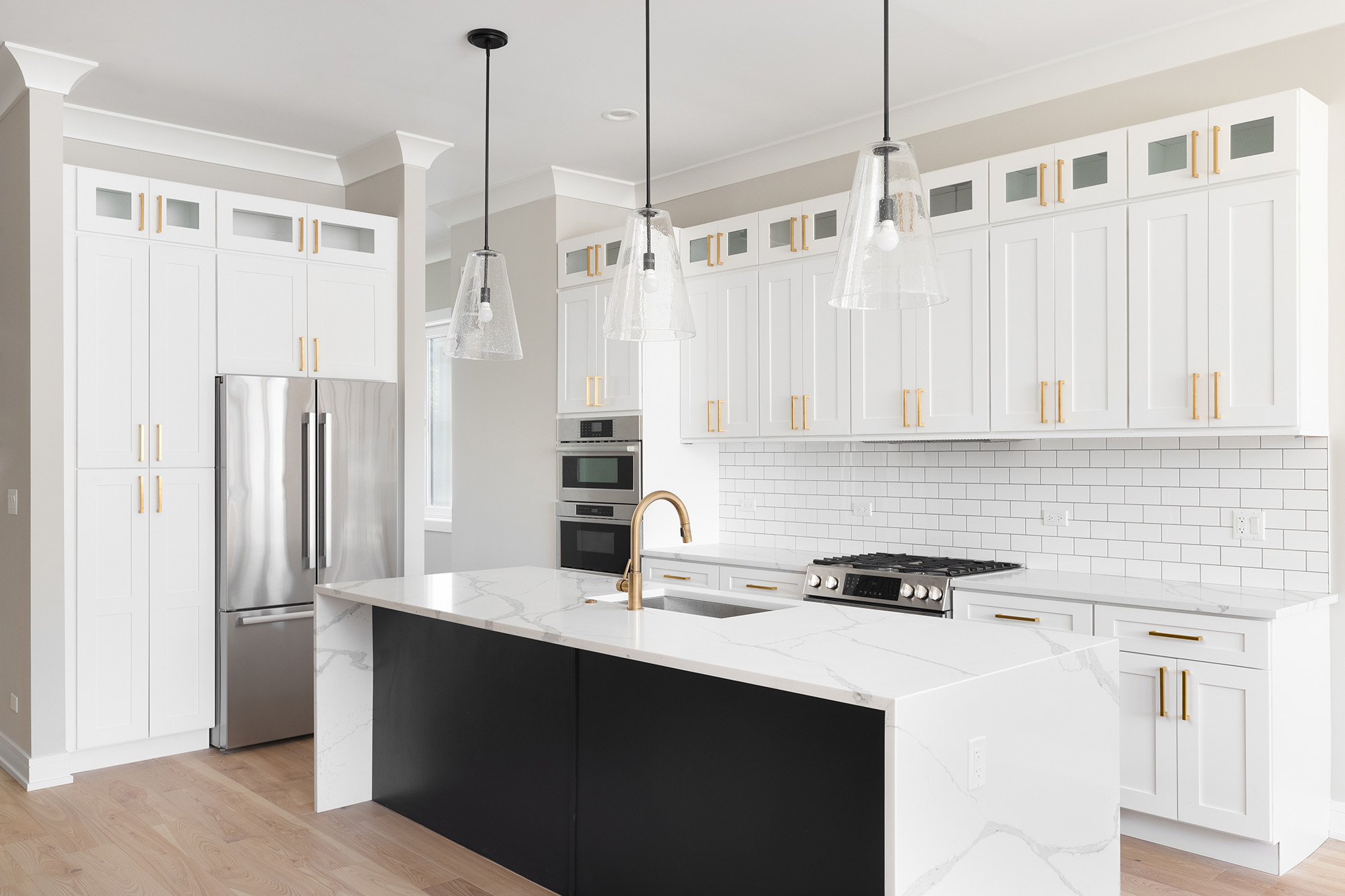
A kitchen countertop has to do more than look good in a showroom. It becomes the work surface for morning coffee, meal prep, homework, entertaining, and all the little spills that come with everyday life. That is why choosing between marble and quartz countertops is less about picking the prettier slab and more about deciding how you want your kitchen to perform.
Both materials can create a high-end look, but they have very different maintenance and durability considerations. If you are planning countertop installation in a Fairfax-area home, understanding those differences can make the selection process much easier.
Marble Brings Natural Character and Timeless Appeal
Marble countertops are prized for their natural veining and one-of-a-kind appearance. No two slabs look exactly alike, which gives marble a character that manufactured materials cannot completely duplicate.
For homeowners drawn to classic, traditional, or sophisticated interiors, marble can be an especially appealing countertop material. It works beautifully with many cabinet styles, from traditional painted cabinetry to more contemporary designs.
There is a tradeoff, though. Marble is relatively soft and porous compared with quartz. It can scratch, etch, and stain if it is not properly cared for. Acidic foods and drinks, including citrus and vinegar, can cause dull spots on the surface if spills are left unattended.
Marble also typically requires more maintenance than quartz. Depending on the particular stone and the manufacturer's recommendations, sealing may be necessary to help protect the surface. That does not make marble a poor choice. It simply means you should choose it knowing that some natural wear can become part of its appearance over time.
Quartz Makes Everyday Maintenance Easier
Quartz countertops offer a different approach. Instead of being cut directly from a natural stone slab, engineered quartz is manufactured using quartz material combined with resins and pigments. This allows manufacturers to create consistent colors and patterns, including designs inspired by natural marble.
One of quartz's biggest advantages is its low-maintenance surface. It is nonporous, so it does not require the same type of routine sealing associated with many natural stones. It also resists many common household stains, making it a practical choice for busy kitchens.
Quartz can be especially appealing if you want the appearance of marble without taking on as much maintenance. Modern designs can feature subtle gray veining, dramatic movement, or clean white backgrounds that complement a wide range of kitchen styles.
However, quartz is not indestructible. Extreme heat can damage the resin component, so using a trivet or heat-resistant pad under hot cookware is still a smart habit.
Marble vs. Quartz: Which Performs Better?
When comparing these materials, think about how you actually use your kitchen.
Choose marble if you value:
Natural stone variation and distinctive veining
A classic, upscale appearance
The character that develops with use
A material that can become a visual focal point
Choose quartz if you prefer:
Easier day-to-day maintenance
A nonporous surface
Consistent colors and patterns
A practical option for a busy household
Neither material is automatically the best countertop material for every homeowner. A kitchen that rarely sees heavy cooking may be a good setting for someone who loves the character of marble. A family kitchen that handles constant meals, snacks, and entertaining may benefit more from quartz's lower-maintenance surface.
Your cabinet color, backsplash, lighting, and overall kitchen design should also enter the decision. A marble slab with dramatic movement can become the centerpiece of a room, while a quieter quartz pattern may allow statement lighting or cabinetry to take the lead.
Think About Your Fairfax Home and Daily Routine
Northern Virginia's changing seasons are another reason to think beyond appearance. Fairfax homeowners deal with humid summers, cooler winters, and homes ranging from older traditional properties to newer renovations. The countertop itself is not necessarily the biggest concern with these seasonal changes, but the overall kitchen environment and how you use the space still matter.
If you are updating a kitchen in a Fairfax-area home, consider how much cooking you do, whether you have children or pets, how often you entertain, and how much maintenance you are realistically willing to handle.
It is also worth considering the countertop alongside the rest of your renovation. Flooring, cabinets, backsplash, and countertops should work together rather than being selected as completely separate elements.
See the Difference Before Choosing Your Countertop
Photos can help you narrow down your favorites, but seeing full-size samples in person can reveal details that are easy to miss on a screen. Veining, surface texture, color variation, and the way a material looks beside your preferred flooring and cabinetry can all influence your final decision.
If you are planning a countertop installation and are comparing marble countertops with quartz countertops, Flooring America Fairfax can help you explore the possibilities. Contact us today to discuss your project, and visit our showroom to compare materials in person. We proudly serve Fairfax, VA and homeowners throughout Fairfax Station, Oakton, Vienna, Burke, Centreville, Chantilly, Annandale, Merrifield, and Dunn Loring, VA.


